Changing exercises can feel refreshing, but frequent changes make causes harder to track. Continuing the same exercise can also become difficult when it no longer feels stable. Use your records and movement to decide, rather than a trend.
Review several weeks of records first
Track weight, reps, sets, rest, and movement quality for several weeks after starting an exercise. One bad session may reflect sleep or food, so it is not enough by itself. If reps are steadily improving, keeping the exercise is also a valid choice.
Write one reason for the change
Choose a specific reason: the equipment is unavailable, you want a different movement without pain, or weight and reps have plateaued for a long time. A clear reason tells you what to check afterward.
Do not change everything at once
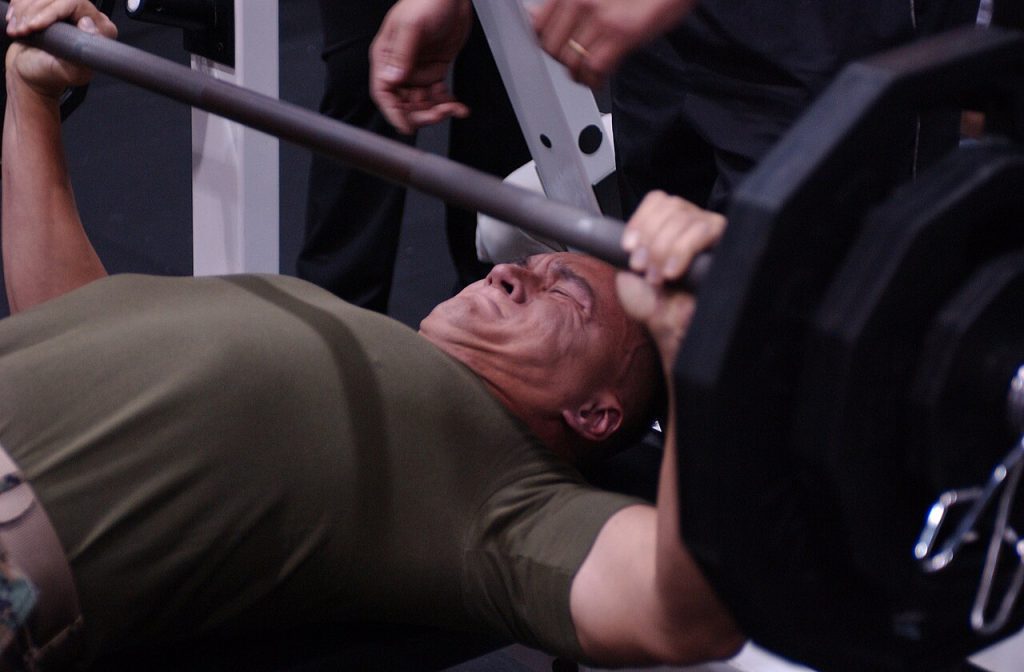
If you change the bench press, dumbbell press, sets, reps, and rest together, you cannot tell what mattered. Change the main exercise first and keep other conditions similar while you observe several sessions.
Keep similar exercises as separate records
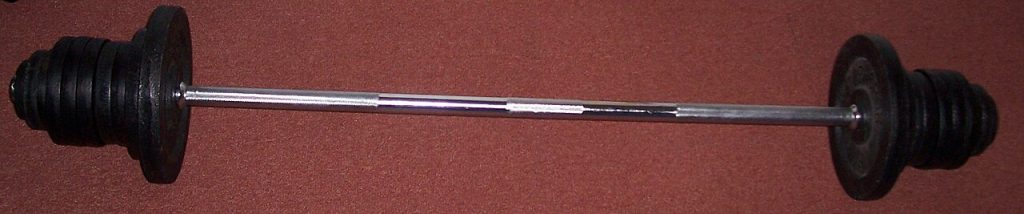
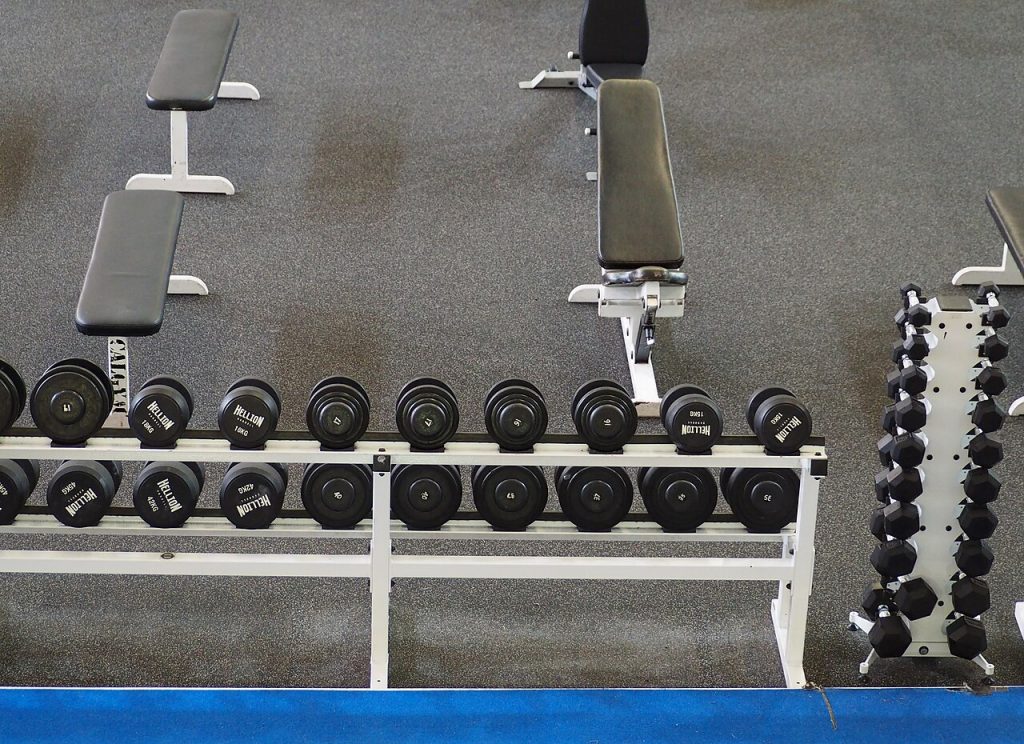
Barbells, dumbbells, machines, and free weights load and stabilize the body differently. Do not compare their numbers directly. Record each exercise separately and note the reason for the change and your new baseline.
What to watch after changing
Check rep consistency, repeatability, the feeling in the target area, unusual fatigue, and whether you can continue next time. Do not declare a muscle-growth result in a short period; value consistent training and useful records.