On chest day, it can be hard to choose between the bench press and dumbbell press. Neither is always better. Decide based on whether you want a stable, repeatable bar path or want each side to move independently, then build your log around that choice.
When to start with the bench press
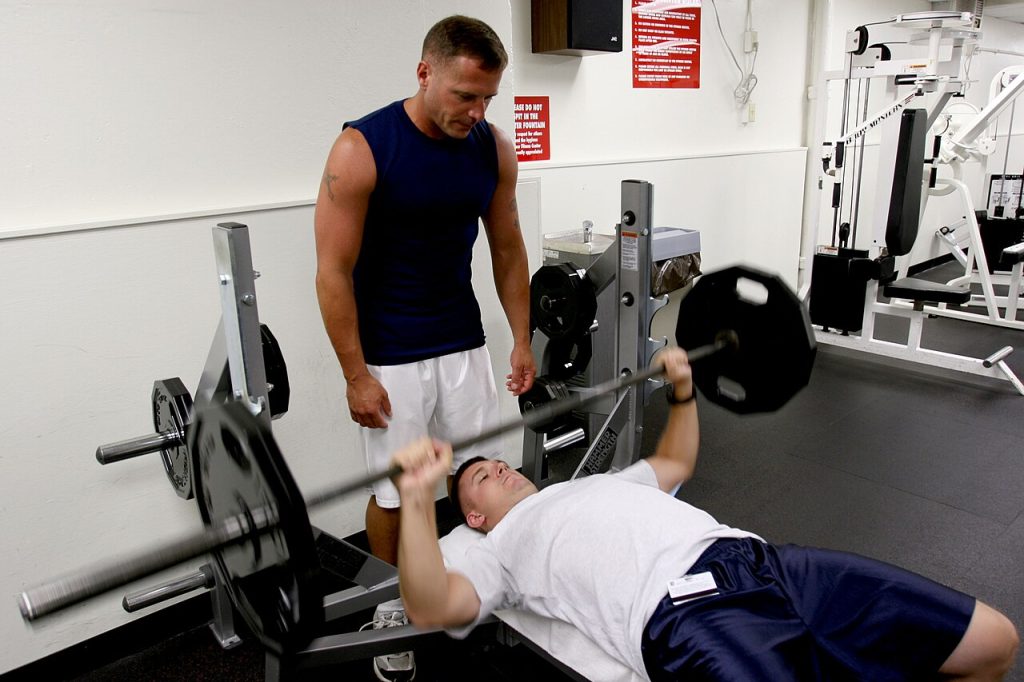
Because both hands support one bar, the bench press makes it easier to record the same weight and reps when your grip and foot position are consistent. With heavier loads, check the rack height, clear space, and whether a spotter is available. If you are new, prioritize a controlled range rather than chasing a heavier number.
When to choose the dumbbell press
Dumbbells move independently, so you may notice one side lowering first or one shoulder sitting differently. They also require more preparation to get into position, and heavier dumbbells need a safe way to set them down. Use a light load first to check the path.
If you do both on the same day, set an order
Put the exercise you want to prioritize first. Start with the bench press when you want to build its weight or technique; start with dumbbells when you want to carefully check side-to-side movement or range. Keep the same order for several weeks so your records remain comparable.
Do not compare the numbers directly
A barbell and dumbbells differ in how they are held and stabilized, so the same number of kilograms does not feel the same. Do not treat a 40 kg bench press and two 20 kg dumbbells as a simple ranking. Record weight, reps, sets, and movement quality for each exercise and compare its own trend.
Choose one based on the day
When time is limited, choose one main exercise and keep its reps and sets consistent. Add the other as assistance when you have time. If your shoulder or elbow hurts, do not force the exercise; stop if reducing the weight does not improve it.